
Thomas Cajetan
Dominican theologian and cardinal who opposed Luther and defended papal authority.

Wikimedia Commons · CC BY 4.0
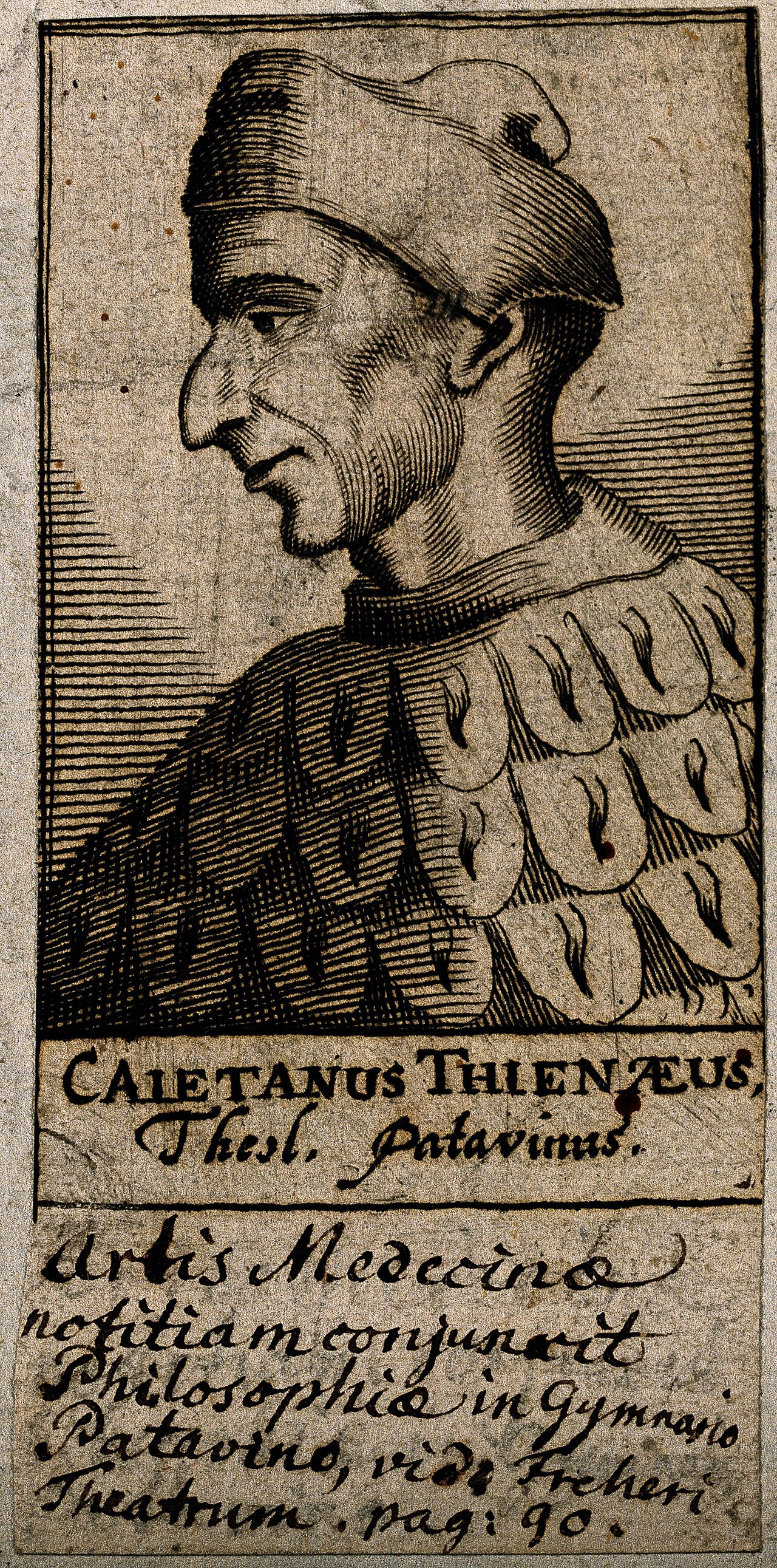
Thomas Cajetan (20 February 1469 – 9 August 1534), also known as Gaetanus or Cajetanus, commonly Tommaso de Vio or Thomas de Vio, was an Italian philosopher, theologian, the Master of the Order of Preachers from 1508 to 1518, and cardinal from 1517 until his death. He was a leading theologian of his day who is now best known as the spokesman for Catholic opposition to the teachings of Martin Luther and the Protestant Reformation while he was the Pope's legate in Augsburg, and among Catholics for his extensive commentary on the Summa Theologiae of St. Thomas Aquinas.
- born
- 20 February 1469, Gaeta, Kingdom of Naples
- died
- 9 August 1534, Rome
- field
- Philosophy, theology
- nationality
- Italian
- known_for
- Spokesman for Catholic opposition to Martin Luther; commentary on Summa Theologi
Lore & Background
Thomas Cajetan was born in Gaeta, then part of the Kingdom of Naples, as Jacopo Vio. The name Tommaso was taken as his religious name as a friar, while the surname Cajetan derives from his native city. At the age of fifteen, he entered the Dominican order and devoted himself to the study of the philosophy of St. Thomas Aquinas, becoming before the age of thirty a doctor of theology at Padua, and subsequently professor of metaphysics. A public disputation at Ferrara (1494) with Pico della Mirandola made his reputation as a theologian. He became general procurator in 1507 and general of the Dominicans a year later in 1508. At the Fifth Lateran Council (1512–17), De Vio played the leading role; during the second session he gave the opening oration and obtained approval of a decree recognizing the superiority of papal authority to that of councils. For his support of papal rights, Cajetan was made Bishop of Gaeta, and in 1517 was made a cardinal and archbishop of Palermo by Pope Leo X. In 1518, Cajetan was sent as legate to the Diet of Augsburg and entrusted with examining the teachings of Martin Luther. In 1519, Cajetan helped in drawing up the bill of excommunication against Luther. He drafted the decision rejecting the petition made by Henry VIII of England for the annulment of his marriage to Catharine of Aragon. Cajetan died on August 9 in Rome in 1534.
Reader's Guide
Thomas Cajetan's significance lies in his dual role as a leading Thomist theologian and a key figure in the Catholic response to the Protestant Reformation. As the Pope's legate at the Diet of Augsburg in 1518, he confronted Martin Luther directly; according to Hilaire Belloc, 'he had been cross-examined into denying, for instance, the authority of a General Council.' In 1519, Cajetan helped draw up the bill of excommunication against Luther. His defense of papal authority against conciliarism at the Fifth Lateran Council reinforced the doctrine of papal supremacy. Among Catholics, his commentary on the Summa Theologiae of St. Thomas Aquinas became a standard reference, though some Dominicans regarded his views as too independent of those of Saint Thomas, and the Sorbonne found some of these views heterodox. He advocated moderate reforms, such as recommending concessions to the Lutherans including the marriage of the clergy as in the Greek Church and communion in both kinds according to the decision of the Council of Basel. He showed independence in his biblical commentaries, treating his text critically and allowing himself considerable latitude in departing from literal and traditional interpretations. Pope Leo XIII in Aeterni Patris cited Cajetan as to why St. Thomas shall be the fundamental school of the Roman Catholic Church, marking the revival of Thomism. His economic thoughts on trade morality included a formulation of the liquidity preference, though his views on usury were still conservative, as shown by his condemnation of mounts of piety.
Did You Know?
- Cajetan entered the Dominican order at age fifteen and became a doctor of theology at Padua before turning thirty.
- A public disputation at Ferrara in 1494 with Pico della Mirandola made his reputation as a theologian.
- He helped draw up the bill of excommunication against Martin Luther in 1519.
- Cajetan drafted the decision rejecting Henry VIII's petition for annulment of his marriage to Catharine of Aragon.
- Pope Leo XIII in Aeterni Patris cited Cajetan's observation that Thomas Aquinas 'seems to have inherited the intellect of all' the ancient doctors.
From Gaeta to the Dominican Cloister
Thomas Cajetan entered the world on 20 February 1469 in the port town of Gaeta, then under the Kingdom of Naples, under the name Jacopo Vio. His later surname, Cajetan, simply reflected his birthplace, while Tommaso was the name he adopted upon taking the Dominican habit. At just fifteen years of age he committed himself to the Order of Preachers and immersed himself in the philosophical system of St. Thomas Aquinas. His intellectual trajectory was remarkably rapid: before reaching his thirtieth year he had earned a doctorate in theology at the University of Padua and secured a chair in metaphysics. The event that catapulted him onto the wider European stage was a public disputation held in Ferrara in 1494, in which he faced the renowned humanist Pico della Mirandola. That confrontation cemented his reputation as a formidable theologian and set the course for a career that would carry him from the lecture hall to the highest echelons of papal governance.
The Augsburg Showdown with Luther
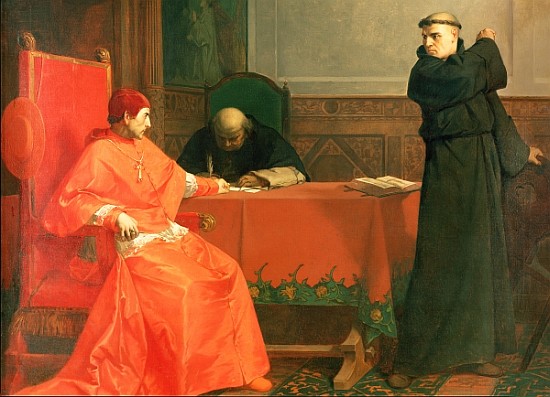
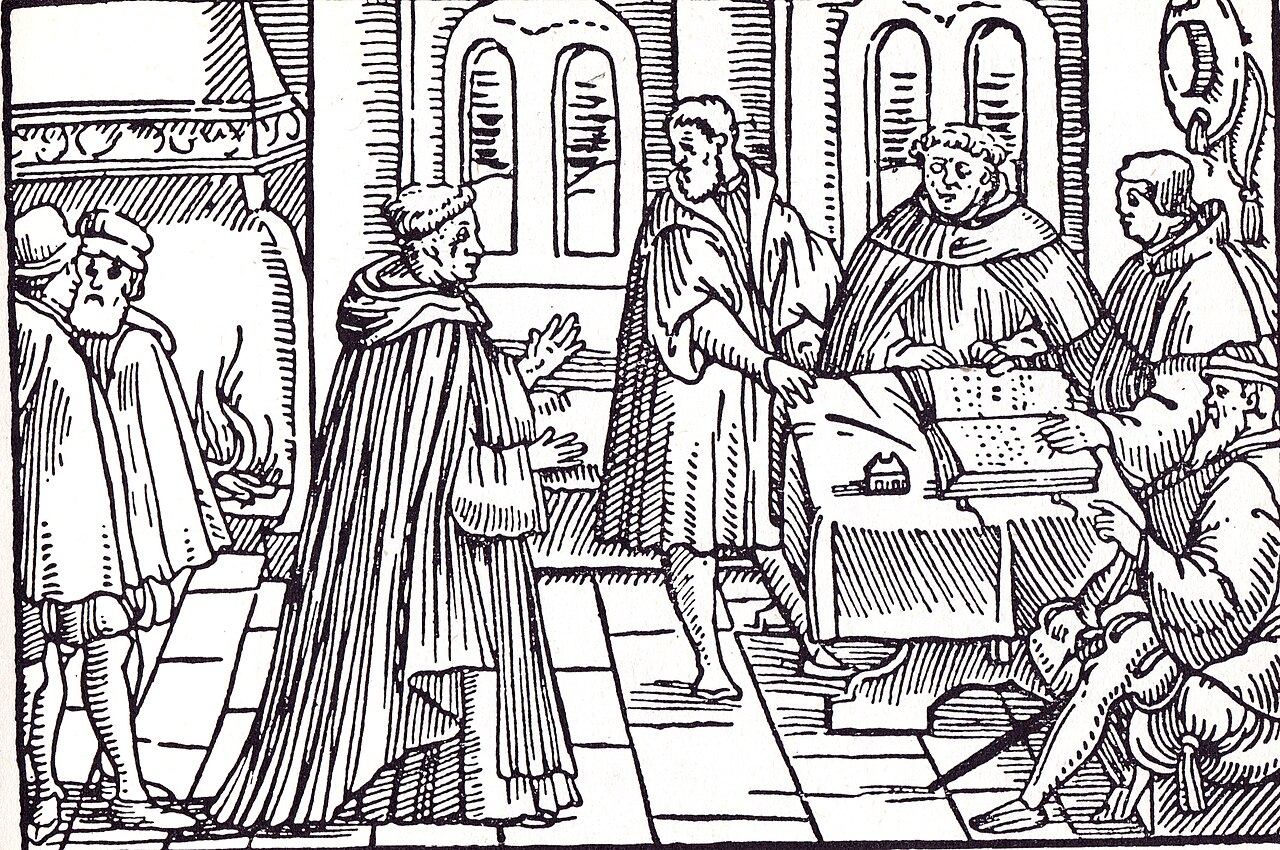
In 1518, Pope Leo X dispatched Cajetan to the Diet of Augsburg as the papal legate, where he was specifically tasked, on the request of Frederick III, Elector of Saxony, with scrutinizing the theological claims of Martin Luther. The encounter, as later chronicled by Hilaire Belloc, was not one in which Luther was subjected to physical roughness; rather, it was Luther who displayed the sharper edge. Yet the exchange went badly for the Wittenberg reformer. Under Cajetan's methodical cross-examination, Luther was pressed into denying the authority of a General Council, a concession that would later prove devastating, since that very authority had been the principal argument deployed against papal supremacy. By 1519 Cajetan had moved to the next phase, assisting in the drafting of the formal bill of excommunication that would sever Luther from the Church. The Augsburg episode remains the defining moment of Cajetan's public life: the instant when a Dominican philosopher became, in the eyes of both Catholics and Protestants, the principal architect of Rome's institutional response to the Reformation.
Champion of Papal Supremacy
Cajetan's most consequential political-theological intervention came during the crisis of 1511, when a faction of rebellious cardinals convened the so-called Conciliabulum of Pisa in direct challenge to Pope Julius II. Cajetan threw his full rhetorical and scholarly weight behind the papacy, issuing a series of publications that drew the ire of the Sorbonne and were ordered publicly burned by King Louis XII of France. His role then expanded at the Fifth Lateran Council (1512–1517), convened by Julius II as a counter to Pisa. There Cajetan delivered the opening oration of the second session and secured passage of a landmark decree affirming that papal authority stood above that of any ecumenical council. He codified this position in his Tractatus de Comparatione auctoritatis Papae et conciliorum, and when the French scholar Jacques Almain challenged him, Cajetan responded with a pointed Apologia, firmly rejecting Almain's analogy that the Church's governance must mirror a lay polity subject to checks on the ruler. For these services he was elevated to the cardinalate in 1517 and made Archbishop of Palermo.
A Moderate Reformer Within the Scholastic Fold
Although Cajetan was trained in the older Thomist scholastic tradition, his mature theological outlook aligned him with a circle of moderate reformers that included the future Archbishop of Canterbury, Reginald Pole. He sought to preserve the finest achievements of the humanist revival while keeping them in harmony with Catholic orthodoxy, particularly through a renewed engagement with Augustine's doctrine of justification. His independence of mind surfaced in several controversial positions: he voiced liberal views on marriage and divorce, denied the existence of a material Hell, and advocated that public prayers be celebrated in the vernacular. These stances alarmed some Dominicans and the Sorbonne, and when his celebrated commentary on Aquinas' Summa Theologiae was reissued in 1570, the offending passages were quietly excised. Toward the end of his life he undertook a careful translation of the Old and New Testaments, and on the Nuremberg Recess he broke with the cardinal majority to recommend concessions to the Lutherans, including clerical marriage and communion in both kinds. He died in Rome on 9 August 1534.
Gallery
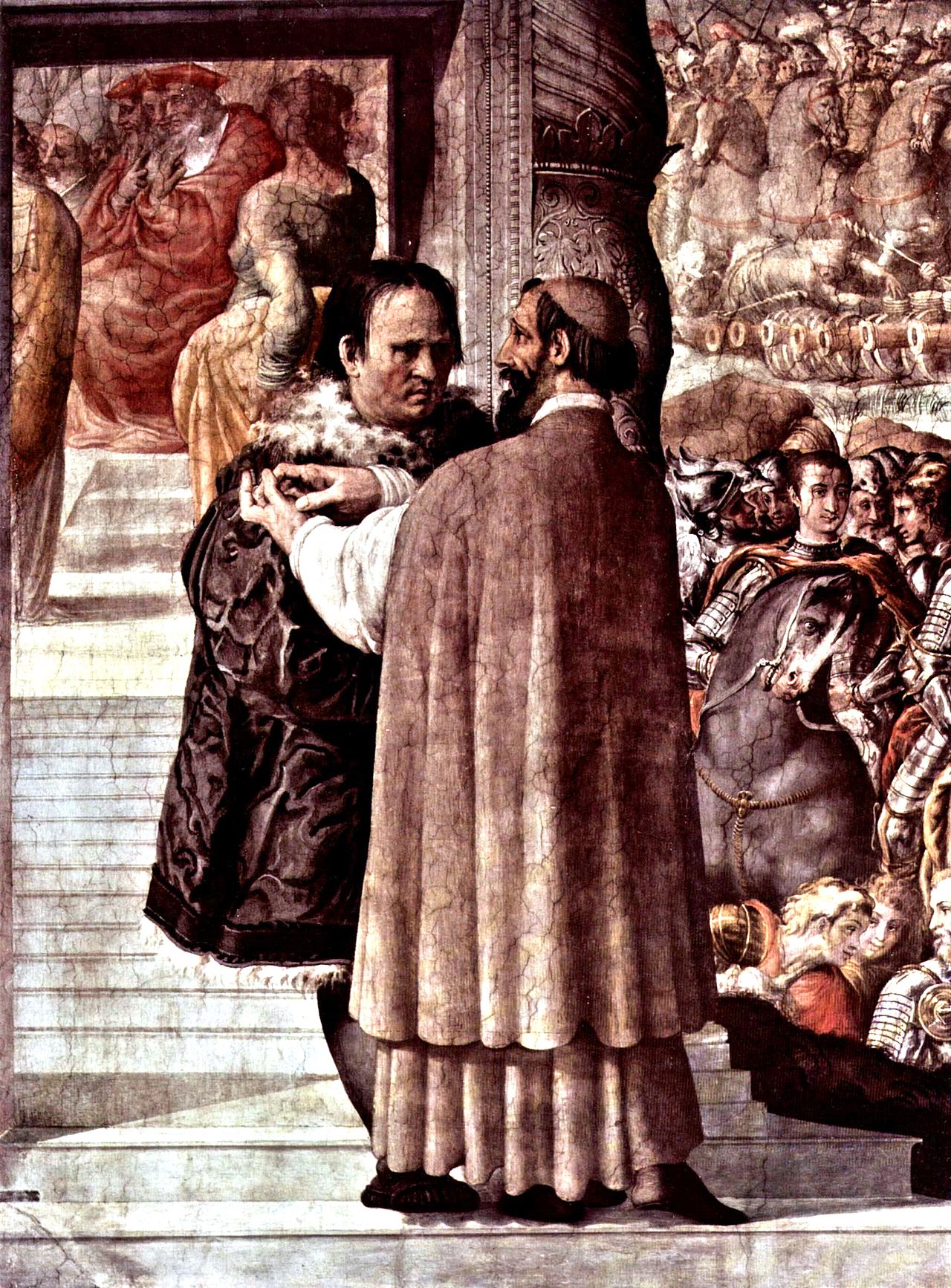
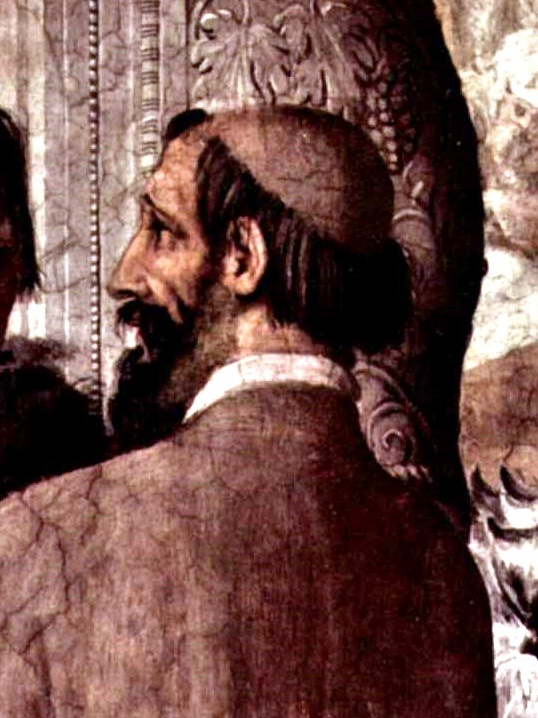
Frequently Asked Questions
Who is Thomas Cajetan?
Thomas Cajetan, born Tommaso de Vio in 1469 in Gaeta, Italy, was a Dominican friar, theologian, and later a cardinal who became one of the most prominent Catholic thinkers of the early 16th century. He is also commonly referred to by the Latinized forms Gaetanus or Cajetanus.
What role did Thomas Cajetan play in the Protestant Reformation?
Acting as the Pope's legate at Augsburg, Cajetan served as the principal Catholic voice arguing against Martin Luther's theological positions. His direct confrontation with Luther during the 1518 disputation made him a central figure in the early Reformation debates.
What is Thomas Cajetan's most significant scholarly contribution?
His most widely recognized academic work is his extensive commentary on St. Thomas Aquinas's Summa Theologiae, which became a standard reference for Dominican scholars. This commentary cemented his reputation as a leading interpreter of Thomistic thought.
What leadership positions did Thomas Cajetan hold?
He served as Master General of the Order of Preachers from 1508 to 1518, overseeing the entire Dominican order during that decade. He was later elevated to the rank of cardinal by the Pope.
Why is Thomas Cajetan considered important in the history of philosophy and theology?
He bridged late medieval scholasticism and the early modern period, defending both Thomistic philosophy and papal authority at a time when both faced serious challenge. His work shaped how Catholic theologians engaged with Reformation-era ideas for generations afterward.
More in Philosophers And Logicians 25-34
Elsewhere in the Philosophers And Logicians universe
Spotted an error? Know more?
This is a living reference — every entry is fact-audited, and reader corrections feed straight into our audit queue. Suggest an edit · See this site's audit record