
Patricia Churchland
Canadian-American philosopher who helped develop neurophilosophy.

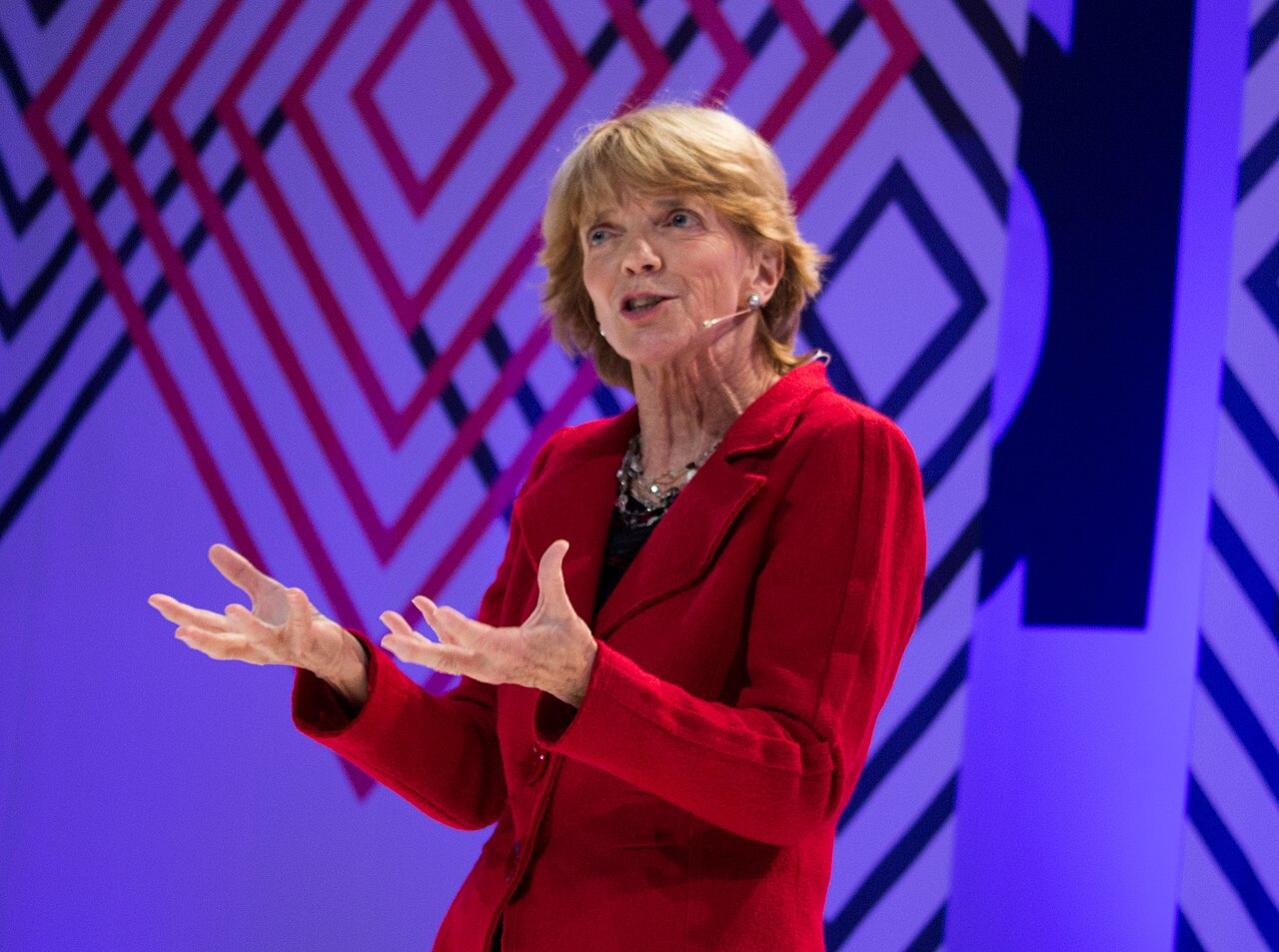
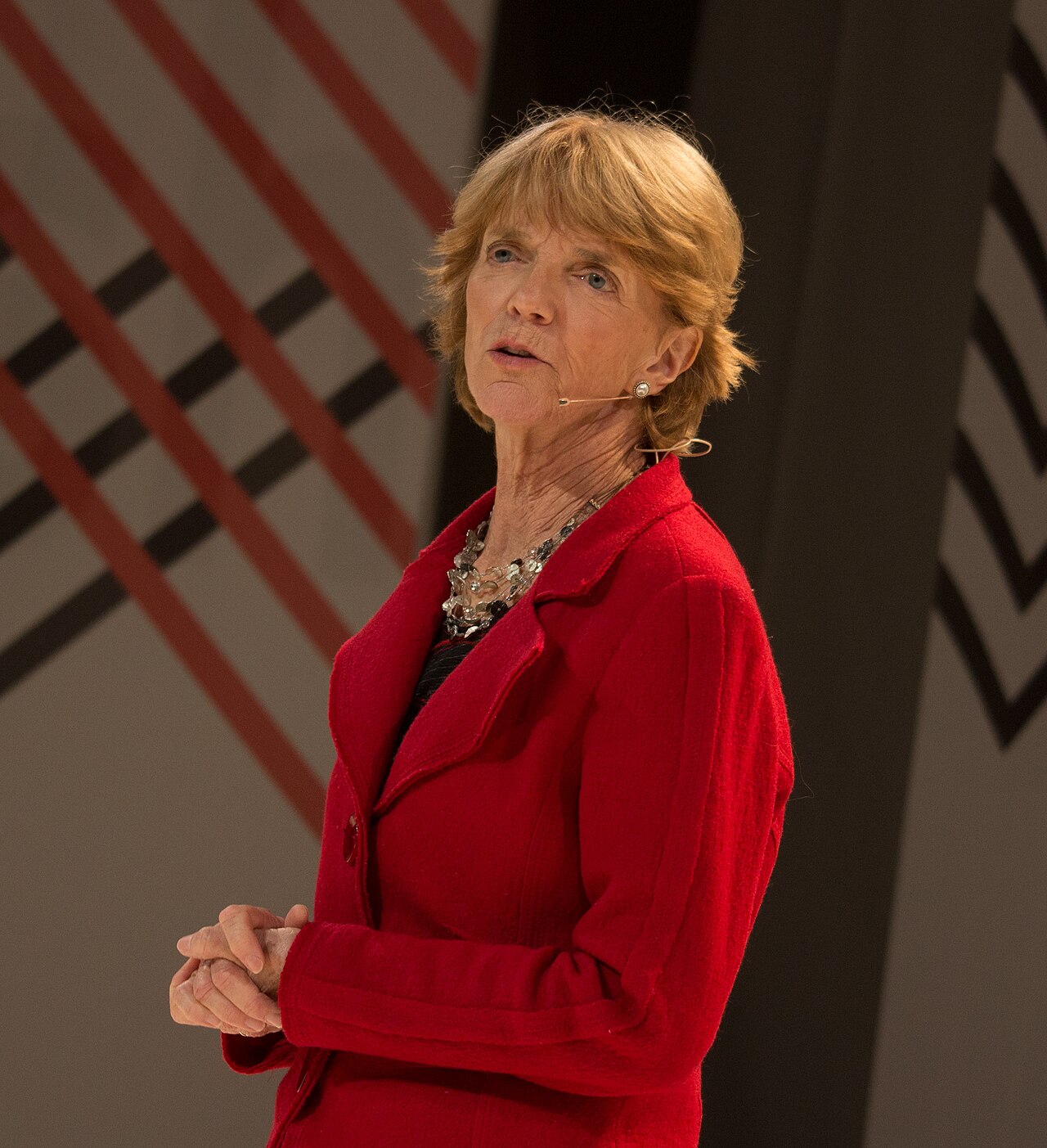
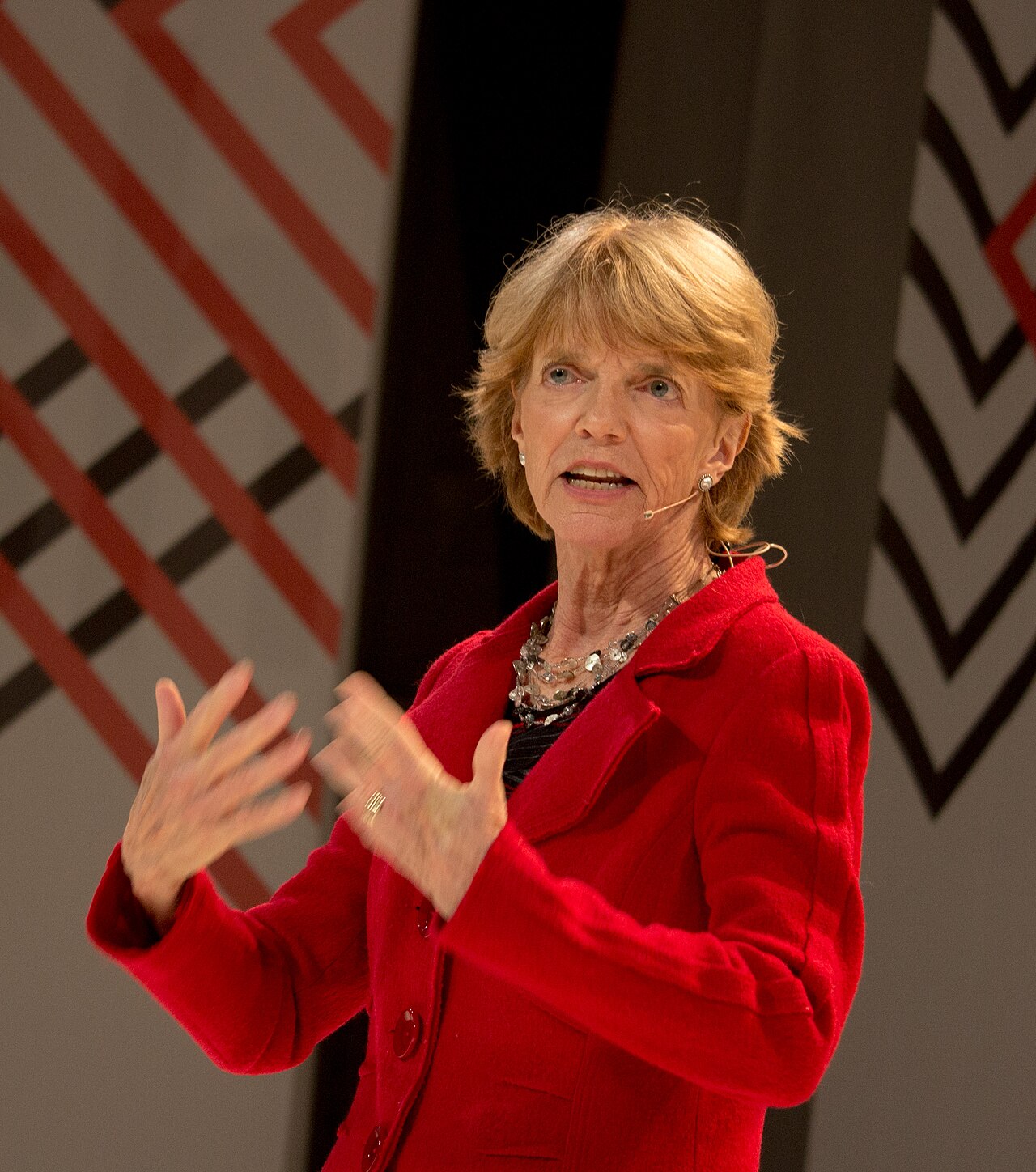
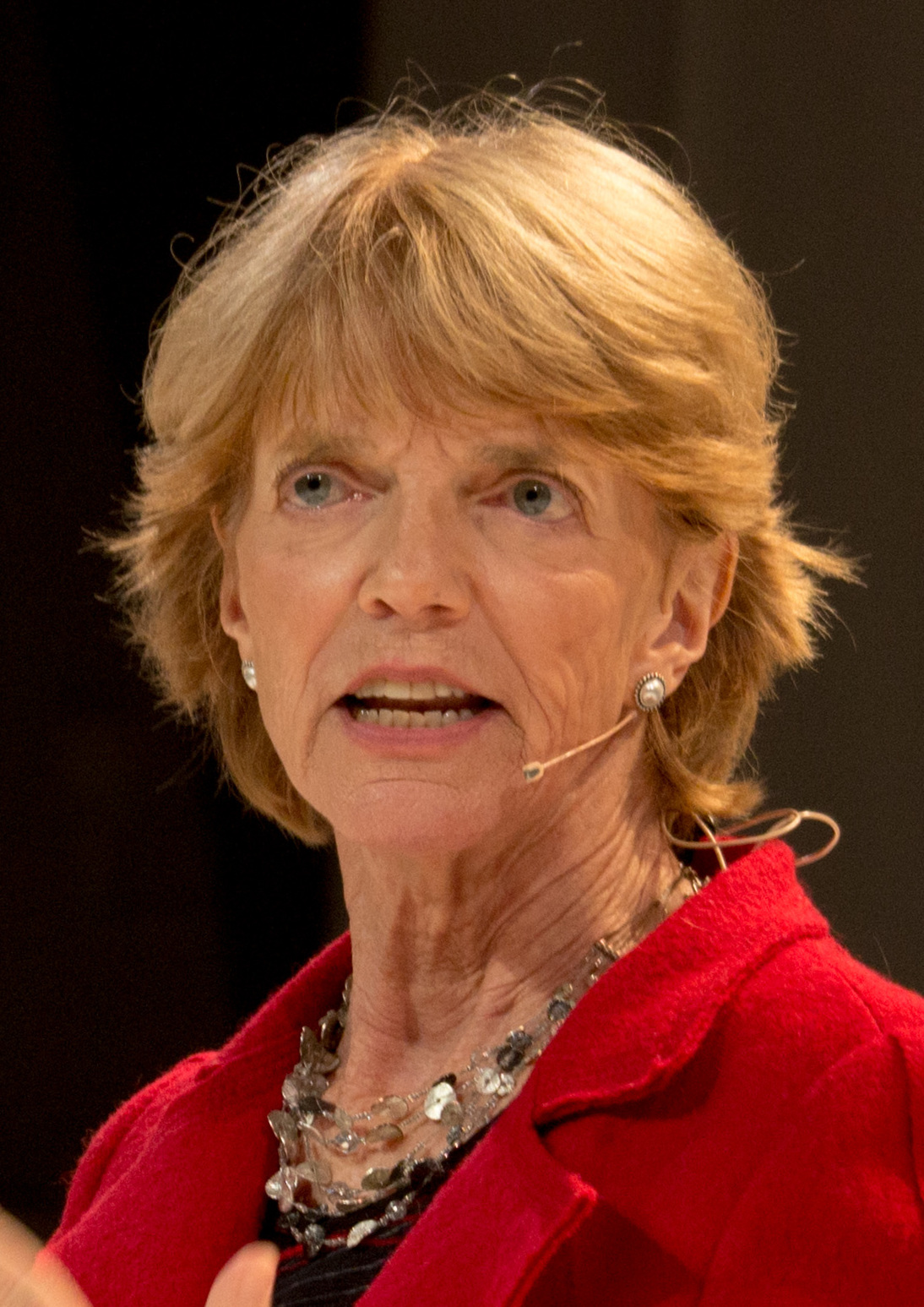
Vera de Kok · CC BY-SA 4.0
Patricia Smith Churchland (born 16 July 1943) is a Canadian-American analytic philosopher noted for her contributions to neurophilosophy and the philosophy of mind. She is UC President's Professor of Philosophy Emerita at the University of California, San Diego (UCSD), where she has taught since 1984. She has also held an adjunct professorship at the Salk Institute for Biological Studies since 1989. Churchland is associated with eliminative materialism, which argues that common-sense psychological concepts such as thought, free will, and consciousness may need revision as neuroscience advances.
- born
- 16 July 1943
- field
- Analytic philosophy, neurophilosophy, philosophy of mind
- nationality
- Canadian-American
- known_for
- Neurophilosophy, eliminative materialism
- title
- UC President's Professor of Philosophy Emerita at UCSD
Verified Timeline
Lore & Background
Patricia Churchland was born Patricia Smith in Oliver, British Columbia, and raised on a farm in the South Okanagan valley. Both of her parents lacked a high-school education; her father left school after grade 6 and her mother after grade 8. Despite this, they were interested in the sciences and instilled a secular worldview in her. She earned her undergraduate degree at the University of British Columbia (1965), an M.A. at the University of Pittsburgh (1966), and a B.Phil at Somerville College, Oxford (1969). She taught philosophy at the University of Manitoba from 1969 to 1984. In 1984, she moved to UCSD, where she began a formal study of neuroscience, and since 1989 has held an adjunct professorship at the Salk Institute, where she collaborated with Terrence Sejnowski on the book 'The Computational Brain' (1993). She is married to philosopher Paul Churchland, and their work is so similar that they are sometimes discussed as one person.
Reader's Guide
Patricia Churchland's significance lies in her pioneering work in neurophilosophy, which systematically integrates neuroscience with traditional philosophical questions about knowledge, free will, consciousness, and ethics. She is a leading proponent of eliminative materialism, arguing that folk psychological concepts may be replaced by neuroscientific explanations. Her collaboration with Terrence Sejnowski produced 'The Computational Brain', a key text linking neuroscience and computation. Churchland's career at UCSD and the Salk Institute has fostered interdisciplinary research, and her election as a Fellow of the American Academy of Arts & Sciences in 2015 reflects her influence. Her work challenges philosophers to ground their inquiries in empirical science, and she has dismissed large parts of professional philosophy as unnecessary. Her legacy includes shaping how philosophers and scientists approach the mind-brain relationship, and her books such as 'Neurophilosophy' and 'Braintrust' remain influential.
Did You Know?
- Churchland's parents both lacked a high-school education; her father left school after grade 6 and her mother after grade 8.
- She received a Woodrow Wilson Fellowship to study at the University of Pittsburgh, where she took an M.A. in 1966.
- At the Salk Institute, she worked with Terrence Sejnowski's lab as a research collaborator, co-authoring 'The Computational Brain' (1993).
- She was elected a Fellow of the American Academy of Arts & Sciences in 2015.
- Her children Mark M. Churchland (born 1972) and Anne K. Churchland (born 1974) are both neuroscientists.
Gallery
Frequently Asked Questions
Who is Patricia Churchland?
Patricia Smith Churchland (born 16 July 1943) is a Canadian-American analytic philosopher who specializes in neurophilosophy and the philosophy of mind. She is widely regarded as one of the central figures who brought neuroscience into mainstream philosophical discussion.
What is Patricia Churchland most known for?
She is best known for championing eliminative materialism, the view that everyday psychological concepts like free will, belief, and consciousness may ultimately be discarded as neuroscience provides better explanations. Her broader project reframes classic philosophy-of-mind questions in biological and neural terms.
Where does Patricia Churchland teach?
She has been on the faculty at the University of California, San Diego since 1984 and currently holds the title of UC President's Professor of Philosophy Emerita. She also maintains an adjunct professorship at the Salk Institute for Biological Studies.
What does Churchland mean by eliminative materialism?
In her formulation, common-sense psychology is not merely incomplete but likely fundamentally mistaken, and its core vocabulary will be replaced by mature neuroscience. She does not deny that mental phenomena occur; she argues our current conceptual framework for describing them is deeply flawed.
Why is Patricia Churchland important to the field of philosophy?
She helped establish neurophilosophy as a legitimate subdiscipline by insisting that questions about mind and consciousness must engage directly with empirical brain science rather than relying solely on abstract thought experiments. Her work shifted analytic philosophy toward biologically grounded explanations of cognition and agency.
More in Philosophers And Logicians 1-24
Elsewhere in the Philosophers And Logicians universe
Spotted an error? Know more?
This is a living reference — every entry is fact-audited, and reader corrections feed straight into our audit queue. Suggest an edit · See this site's audit record