
Saul Kripke
American philosopher and logician who revolutionized modal logic.

Sascia Pavan · CC BY-SA 4.0
Saul Aaron Kripke was an American philosopher and logician, a distinguished professor of philosophy at the Graduate Center of the City University of New York and professor emeritus at Princeton University. From the 1960s until his death, he was a central figure in mathematical and modal logic, philosophy of language and mathematics, metaphysics, epistemology, and recursion theory. His principal contribution is a semantics for modal logic involving possible worlds, now called Kripke semantics. He received the 2001 Schock Prize in Logic and Philosophy.
- born
- November 13, 1940
- died
- September 15, 2022
- field
- Philosophy, Logic
- nationality
- American
- known_for
- Kripke semantics, Naming and Necessity, rigid designators, causal theory of refe
Verified Timeline
Lore & Background
Saul Kripke was the oldest of three children born to Dorothy K. Kripke and Myer S. Kripke. He was labeled a prodigy, teaching himself Ancient Hebrew by the age of six, reading Shakespeare's complete works by nine, and mastering the works of Descartes and complex mathematical problems before finishing elementary school. He wrote his first completeness theorem in modal logic at 17, and had it published a year later. After graduating from high school in 1958, he attended Harvard University, graduating summa cum laude in 1962 with a bachelor's degree in mathematics. During his sophomore year at Harvard, he taught a graduate-level logic course at nearby MIT. Upon graduation he received a Fulbright Fellowship, and in 1963 was appointed to the Society of Fellows. Kripke later said: 'I wish I could have skipped college. I got to know some interesting people but I can't say I learned anything. I probably would have learned it all anyway just reading on my own.' After briefly teaching at Harvard, Kripke moved in 1968 to Rockefeller University in New York City, where he taught until 1976. In 1978 he took a chaired professorship at Princeton University. In 1988 he received the university's Behrman Award for distinguished achievement in the humanities. In 2002 Kripke began teaching at the CUNY Graduate Center, and in 2003 he was appointed a distinguished professor of philosophy there. He died of pancreatic cancer on September 15, 2022, in Plainsboro, New Jersey, at the age of 81.
Reader's Guide
Kripke's principal contribution is a semantics for modal logic involving possible worlds, now called Kripke semantics. Two of his earlier works, 'A Completeness Theorem in Modal Logic' (1959) and 'Semantical Considerations on Modal Logic' (1963), the former written when he was a teenager, were on modal logic. The most familiar logics in the modal family are constructed from a weak logic called K, named after Kripke. Kripke semantics is a formal semantics for non-classical logic systems, first made for modal logics and later adapted to intuitionistic logic and other non-classical systems. A Kripke frame or modal frame is a pair ⟨W,R⟩, where W is a non-empty set and R is a binary relation on W. A Kripke model is a triple ⟨W,R,⊩⟩. His 1970 Princeton lecture series, published in book form in 1980 as Naming and Necessity, is considered one of the most important philosophical works of the 20th century. It introduced the concept of names as rigid designators, designating the same object in every possible world, as contrasted with descriptions. It also established Kripke's causal theory of reference, disputing the descriptivist theory found in Gottlob Frege's concept of sense and Bertrand Russell's theory of descriptions. Kripke was also partly responsible for the revival of metaphysics and essentialism after the decline of logical positivism, claiming necessity is a metaphysical notion distinct from the epistemic notion of a priori, and that there are necessary truths that are known a posteriori, such as that water is H2O. He also gave an original reading of Ludwig Wittgenstein, known as 'Kripkenstein', in his Wittgenstein on Rules and Private Language, containing his rule-following argument, a paradox for skepticism about meaning. Much of his work remains unpublished or exists only as tape recordings and privately circulated manuscripts.
Did You Know?
- Kripke taught himself Ancient Hebrew by the age of six.
- He wrote his first completeness theorem in modal logic at 17, publishing it a year later.
- During his sophomore year at Harvard, he taught a graduate-level logic course at nearby MIT.
- He received the 2001 Schock Prize in Logic and Philosophy.
- His cousin is Eric Kripke, a screenwriter and television producer.
A Prodigy's Academic Ascent
Saul Kripke's intellectual journey began in Omaha, Nebraska, where he displayed extraordinary precocity. By six, he had taught himself Ancient Hebrew; by nine, he had read all of Shakespeare; and before completing elementary school, he had worked through Descartes and complex mathematical problems. His first completeness theorem in modal logic was written at seventeen and published the following year—a remarkable feat for a teenager. He graduated from Harvard summa cum laude in mathematics in 1962, and during his sophomore year he was already teaching a graduate-level logic course at MIT. A Fulbright Fellowship and election to the Society of Fellows followed in 1963. After a brief stint teaching at Harvard, he moved to Rockefeller University in 1968, then assumed a chaired professorship at Princeton in 1978, where he received the Behrman Award in 1988. In 2002 he joined the CUNY Graduate Center as a distinguished professor. He was honored with the 2001 Schock Prize in Logic and Philosophy, and his career spanned from the 1960s until his death in 2022.
Kripke Semantics and the Architecture of Possible Worlds
Kripke's most technically influential contribution was the development of a formal semantics for modal logic, now universally known as Kripke semantics or relational semantics. Before his work, non-classical logical systems lacked a coherent model theory. He introduced the notion of a Kripke frame—a pair consisting of a non-empty set of worlds and a binary accessibility relation among them—and built upon it a Kripke model that adds a satisfaction relation linking worlds to modal formulas. The weakest standard modal logic, simply called K, bears his name. His foundational papers, A Completeness Theorem in Modal Logic (1959) and Semantical Considerations on Modal Logic (1963), the former composed when he was still a teenager, laid the groundwork. The framework was later extended to intuitionistic logic and other non-classical systems, making it a cornerstone of contemporary formal logic.
Naming, Necessity, and the Revival of Metaphysics
The 1970 Princeton lecture series that became Naming and Necessity (published in book form in 1980) is widely regarded as one of the most important philosophical works of the twentieth century. In it, Kripke argued that necessity is a genuinely metaphysical notion, distinct from the epistemic concept of the a priori, and demonstrated that some necessary truths—such as the identity of water with H2O—are known only a posteriori. He introduced the idea of names as rigid designators, which pick out the same object across every possible world, in sharp contrast with descriptions. His causal theory of reference directly challenged the descriptivist traditions of Frege and Russell. This work, together with his broader philosophical output, was instrumental in reviving metaphysics and essentialism after the long dominance of logical positivism. Kripke is often positioned in intellectual opposition to W. V. O. Quine, who rejected both essentialism and modal logic. His interpretation of Wittgenstein, sometimes called Kripkenstein, and his rule-following argument in Wittgenstein on Rules and Private Language further cemented his standing as a transformative figure in analytic philosophy.
Beyond the Published Record
Born on November 13, 1940, the eldest of three children to Dorothy K. Kripke and Myer S. Kripke, Saul grew up in Omaha, Nebraska, attending Dundee Grade School and Omaha Central High School alongside his sisters Madeline and Netta. His family life extended into the world of entertainment through his cousin Eric Kripke, a screenwriter and television producer. Kripke himself was famously self-reliant in his intellectual development, later remarking that he wished he could have skipped college entirely, feeling he learned little beyond meeting interesting people. A striking feature of his legacy is the sheer volume of work that never reached a broad audience: much of his philosophical output remains unpublished, surviving only as tape recordings and privately circulated manuscripts. This means that the full scope of his thinking in logic, metaphysics, epistemology, and recursion theory—including contributions to admissible ordinals and Kripke-Platek set theory—may never be fully known to the wider philosophical community. He died of pancreatic cancer on September 15, 2022, in Plainsboro, New Jersey, at the age of eighty-one.
Gallery
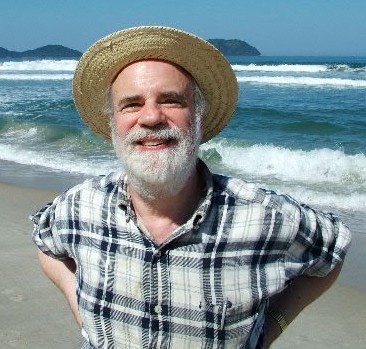
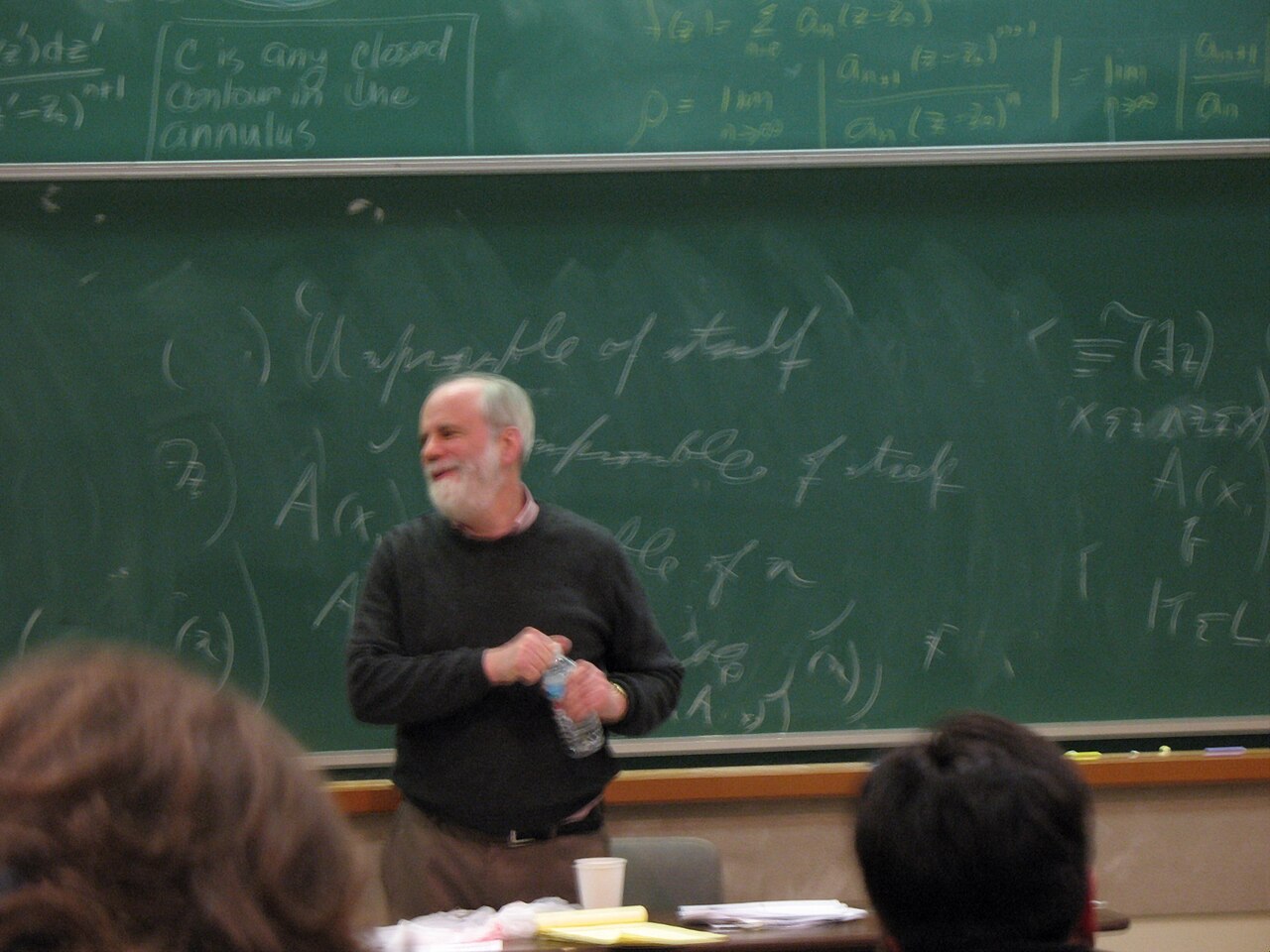
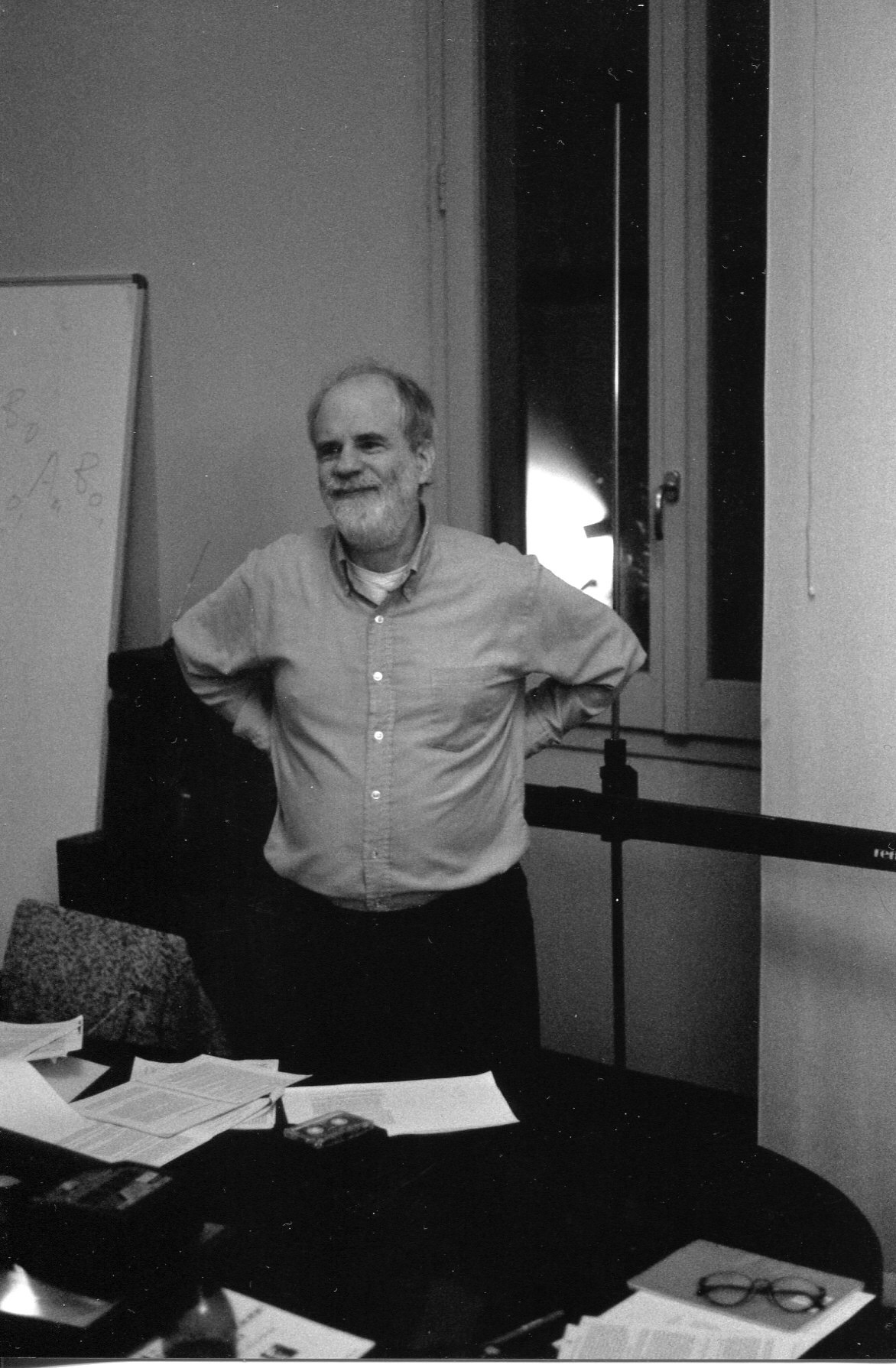
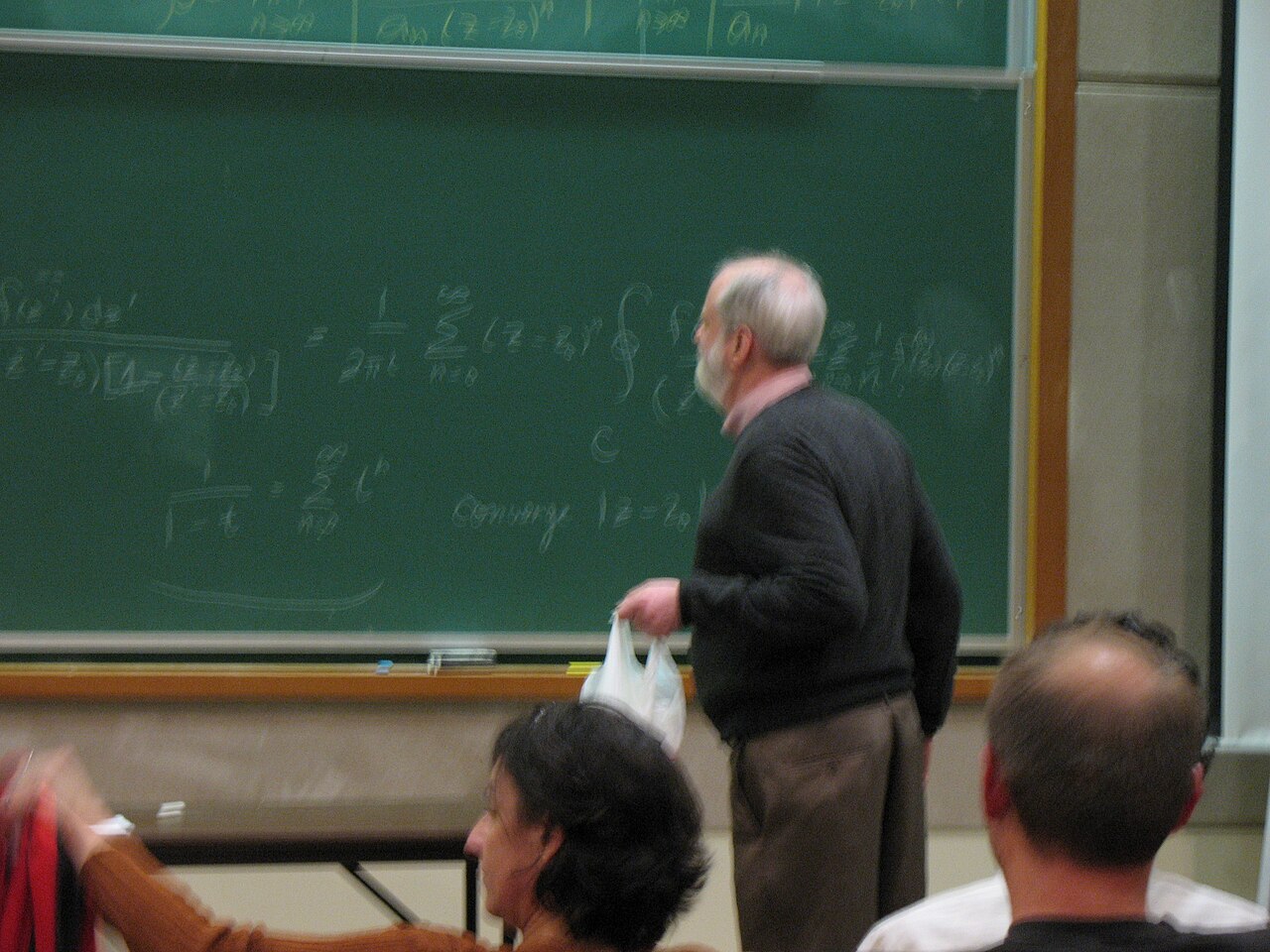
Frequently Asked Questions
Who is Saul Kripke?
Saul Aaron Kripke (1940–2022) was an American philosopher and logician who reshaped how we think about meaning, necessity, and possibility. He spent much of his career at CUNY's Graduate Center and later became professor emeritus at Princeton.
What is Kripke semantics?
Kripke semantics is a framework for interpreting modal logic that uses 'possible worlds' to give precise meaning to statements about necessity and possibility. The approach, which Kripke introduced in the 1960s, became the standard way logicians formalize modal reasoning.
What is a rigid designator?
A rigid designator is a name or term that refers to the same individual in every possible world rather than shifting its reference depending on circumstances. Kripke developed this idea in Naming and Necessity to argue that proper names and natural-kind terms work this way, challenging the descriptivist view of reference.
What is 'Kripkenstein'?
Kripkenstein is a playful portmanteau of 'Kripke' and 'Wittgenstein' that refers to Kripke's 1982 lecture series on Wittgenstein's rule-following paradox. The resulting book, Kripke's Wittgenstein on Rules and Private Language, became a landmark text in philosophy of language and mind.
Why is Saul Kripke considered so important?
Kripke's work simultaneously transformed modal logic, the philosophy of language, metaphysics, and the philosophy of mathematics, making him one of the most influential thinkers of the late twentieth century. His ideas on reference, necessity, and possible worlds are now foundational across multiple disciplines.
More in Philosophers And Logicians 25-34
Elsewhere in the Philosophers And Logicians universe
Spotted an error? Know more?
This is a living reference — every entry is fact-audited, and reader corrections feed straight into our audit queue. Suggest an edit · See this site's audit record