
Surendranath Dasgupta
Indian scholar of Sanskrit and Indian philosophy.
Surendranath Dasgupta (18 October 1887 – 18 December 1952) was an Indian scholar of Sanskrit and Indian philosophy, best known for his multi-volume work *A History of Indian Philosophy*. Born into a Vaidya family in Kushtia, Bengal (now Bangladesh), his ancestral home was in the village Goila in Barisal District. He graduated with honours in Sanskrit from Ripon College, Calcutta, earned a master’s degree from Sanskrit College in 1908, and a second master’s in Western philosophy from the University of Calcutta in 1910. After winning the Griffith Prize in 1916 and a doctorate in Indian philosophy in 1920, he was sponsored by Maharaja Sir Manindra Chandra Nandy to study European philosophy in Europe. At Cambridge, he studied under J. M. E. McTaggart and distinguished himself in debates at the Aristotelian Society and the Moral Science Club, earning a reputation as a formidable controversialist. The first volume of his *History of Indian Philosophy* was published by Cambridge University Press in 1921. He lectured at Cambridge and represented the university at the International Congress of Philosophy in Paris. His Cambridge doctorate was awarded for a thesis on contemporary European philosophy. He later taught at Rajshahi College, Chittagong College, Presidency College, served as principal of Sanskrit College, and became a professor at the University of Calcutta. His own philosophical system was known as the Theory of Dependent Emergence. Among his notable students were Mircea Eliade and Debiprasad Chattopadhyaya. He was elected a Fellow of the Royal Society of Literature and an honorary Fellow of the Academy of Sciences at the University of Warsaw.
- born
- 18 October 1887 (Kushtia, Bengal, now Bangladesh)
Lore & Background
Surendranath Dasgupta was a scholar of Sanskrit and Indian philosophy, known for his sharp intellect and formidable debating skill. He was described as kind, simple, and gentle in personal manner, yet undaunted when challenging established scholars. At international congresses, he famously argued that Benedetto Croce’s philosophy had been anticipated by Dharmakirtti and Dharmottara, and that where Croce differed he was in error—a challenge that drew Croce himself to the congress. He similarly challenged the Buddhist scholar Louis de La Vallée-Poussin. His reputation as an almost invincible controversialist grew from debates in the Aristotelian Society and the Moral Science Club. Great teachers like Ward and McTaggart regarded him as a colleague rather than a pupil. He developed his own philosophical system, the Theory of Dependent Emergence. His range of influence extended across Europe and the United States, where he delivered lectures at numerous universities. He was elected a Fellow of the Royal Society of Literature and an honorary Fellow of the Academy of Sciences in Warsaw. The Sanskritist Louis Renou remarked that in his presence it felt as if a Śaṅkara or Patañjali had been reborn.
Reader's Guide
Surendranath Dasgupta’s major contribution was his multi-volume critical and historical survey of Indian philosophical systems, which he constructed by consulting original Sanskrit, Pali, and Prakrit manuscripts, many previously unpublished. His own philosophical position, termed the Theory of Dependent Emergence, shaped his approach. He was a formidable participant in international philosophical debates, notably at the Aristotelian Society and the Moral Science Club, where he earned a reputation as an almost invincible controversialist. At the 1924 International Congress of Philosophy in Naples, he argued that Benedetto Croce’s philosophy had been largely anticipated by earlier Indian thinkers, a challenge that prompted Croce himself to attend. Dasgupta also challenged the Buddhist scholar Louis de La Vallée-Poussin in a similar manner. His teaching career included posts at Presidency College, Sanskrit College, and the University of Calcutta, and he served as president of the Indian Philosophical Congress in 1932. Among his students were Mircea Eliade and Debiprasad Chattopadhyaya. His work remains foundational for the academic study of Indian philosophy, providing a systematic framework that integrated textual scholarship with comparative philosophical analysis.
Did You Know?
- He earned both a master's degree in Sanskrit and a second master's in Western philosophy from the University of Calcutta.
- The first volume of his 'A History of Indian Philosophy' was published in 1921 while he was studying at Cambridge under J. M. E. McTaggart.
- He was known as an almost invincible controversialist in debates at the Aristotelian Society and the Moral Science Club.
- His students included the historian of religions Mircea Eliade and the Marxist philosopher Debiprasad Chattopadhyaya.
Gallery
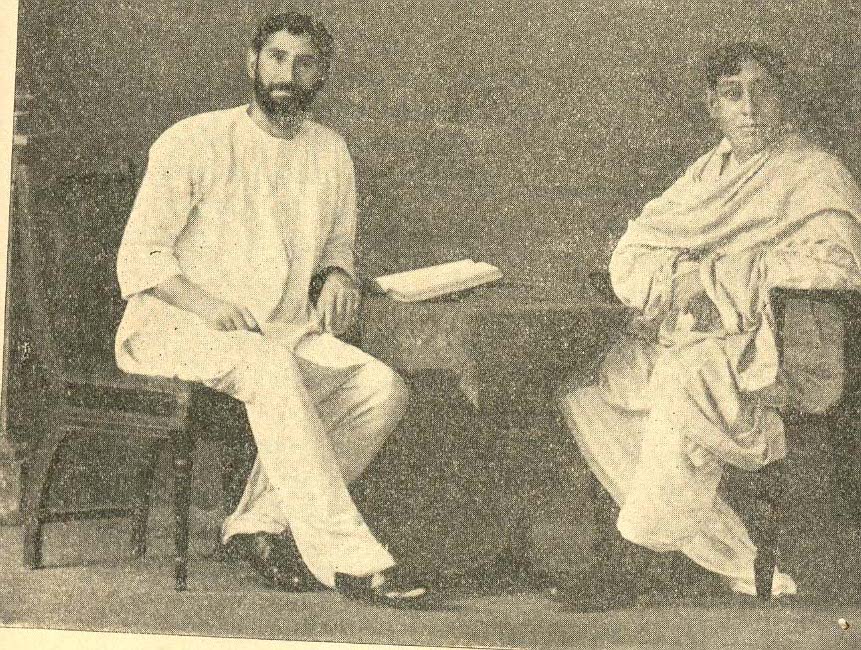
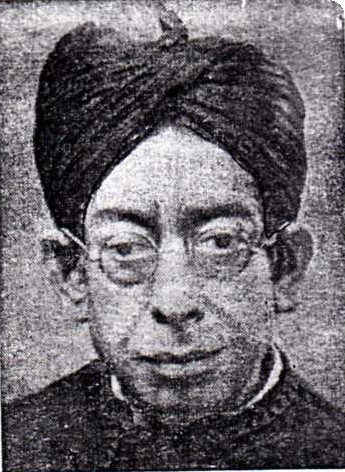
Frequently Asked Questions
Who is Surendranath Dasgupta?
Surendranath Dasgupta was an Indian scholar specializing in Sanskrit and the history of Indian philosophical traditions. He is widely regarded as one of the foremost academic voices of his era in the field.
What is Surendranath Dasgupta's most famous work?
His landmark multi-volume series *A History of Indian Philosophy* remains his signature contribution, offering a systematic and scholarly survey of India's diverse philosophical schools. The work established him as a leading authority on the subject.
Where was Surendranath Dasgupta born and where did he study?
He was born on 18 October 1887 in Kushtia, Bengal, which is now part of Bangladesh. He went on to earn his doctorate from the University of Calcutta before taking up teaching posts at several Indian institutions.
Why is Surendranath Dasgupta important to the study of Indian philosophy?
His rigorous, multi-volume history gave the Western and global academic world a comprehensive, internally informed account of Indian philosophical thought. He bridged traditional Sanskrit scholarship with modern academic methodology, making the tradition accessible to a broader readership.
What was Surendranath Dasgupta known for in academic debates?
He was particularly noted for his sharp, well-structured exchanges with leading philosophers of his time. His willingness to engage in rigorous public and scholarly debate cemented his reputation as a formidable intellectual.
More in Philosophers And Logicians 1-24
Related in Philosophers And Logicians
Links follow this subject's own source article.
Spotted an error? Know more?
This is a living reference — every entry is fact-audited, and reader corrections feed straight into our audit queue. Suggest an edit · See this site's audit record